
The MAAM Journal offers a closer look at the ideas, projects, people, and conversations shaping the studio. Expect a mix of project stories, explorations of sustainability and resilient design, reflections on architecture and community, studio news, and perspectives on the evolving built environment.
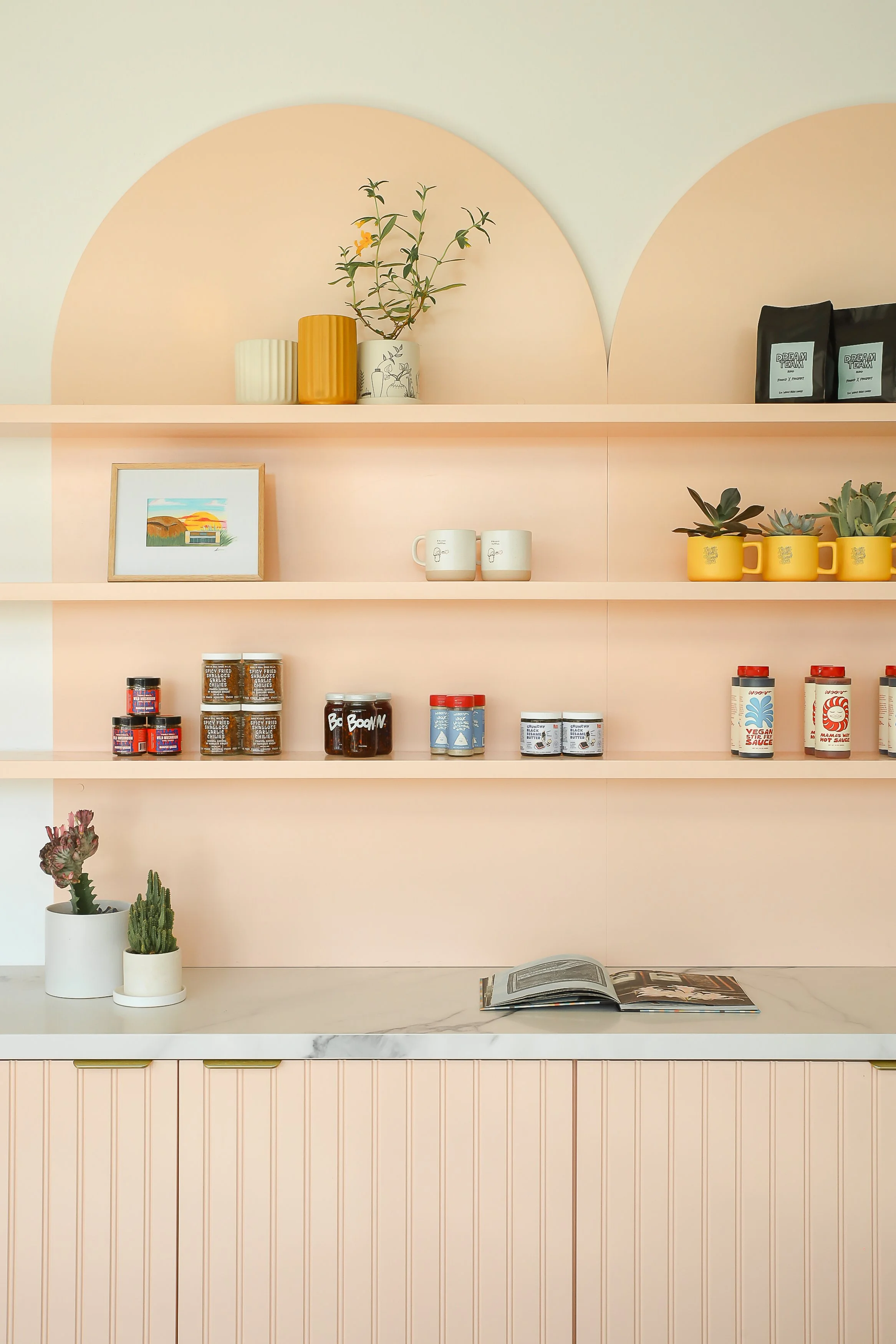
What Does It Mean To Create Something?
It asks us to imagine a future and then figure out how to make it real. Sometimes that means drawing plans, choosing materials, and shaping a space. Sometimes it means opening a business, bringing people together, or deciding to put down roots somewhere new.
In architecture, we often talk about the finished building: the walls, the windows, the materials, the details. But the finished space is only one part of the story. The more interesting part is everything that happens before it exists.
The questions.
The conversations.
The unexpected turns.
The moments when an idea changes because someone asks a better question.
We believe the best spaces come from that process. They aren’t simply designed for people; they are created with them.
That requires collaboration. An architect brings one perspective. A client brings another. Builders, craftspeople, artists, neighbors, and communities all influence what something ultimately becomes. The process is rarely linear, and it’s almost never exactly what anyone imagined at the beginning.
And that’s a good thing.
Creating something meaningful requires being open to discovery.
MAAM Takes the Stage at the 2026 Net Zero Conference
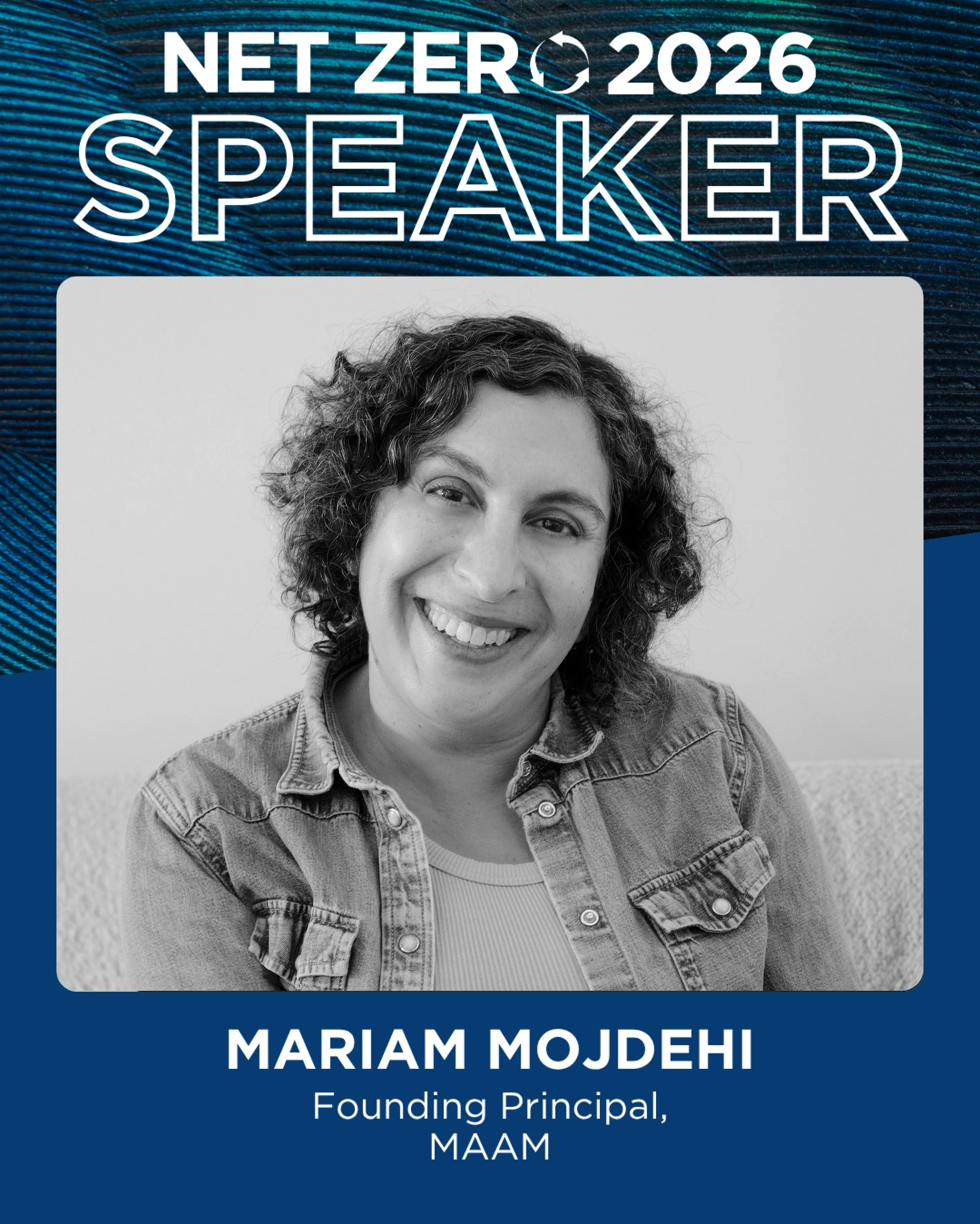
MAAM's Mariam Mojdehi is excited to be speaking at the 2026 Net Zero Conference! Hosted by Verdical Group at the Los Angeles Convention Center on October 8, this event will feature global sustainability experts in Climate, Net Zero, ESG, Equity, Carbon, and Resilience. From inspiring keynotes to an exciting Expo Hall, this is a must-attend event for anyone accelerating progress toward a net zero future.
Visit https://hubs.li/Q04h1JZn0 to register and use code NETZERO10 for 10% off!
Shared Ground: How the World Cup reminds us why public space - and community - still matters.
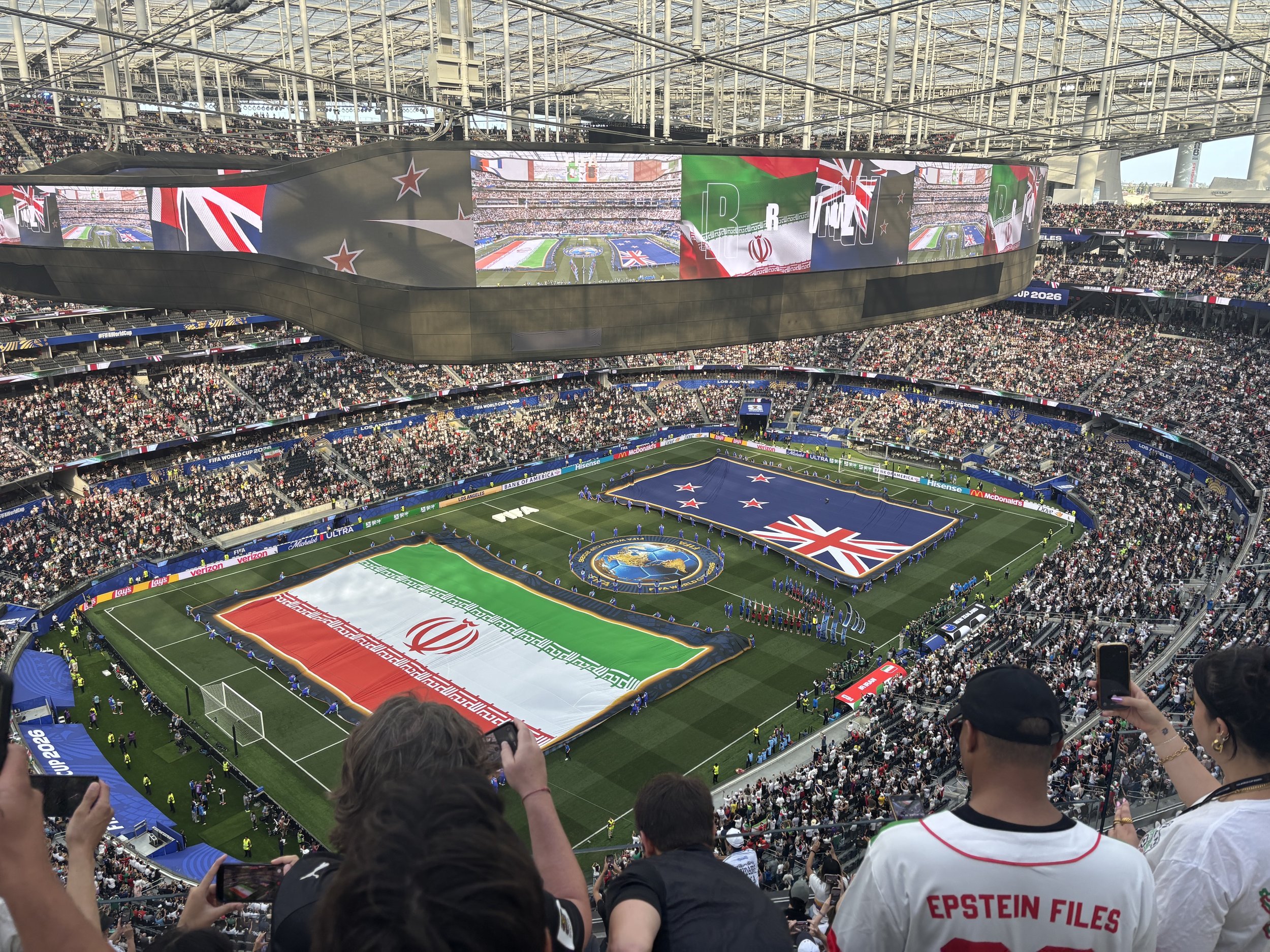
That promise, of course, is never without contradiction. During this year’s tournament, debates over flags, national identity, and political protest unfolded both inside and outside stadium gates. A flag became more than a flag. It raised larger questions: How do we support people without endorsing governments? How do we register dissent at the scale of a stadium, where identity is compressed into symbols meant to unite millions at once?
These questions extend far beyond any one nation. What does fairness mean when geopolitics inevitably shape the tournament? Who are we cheering for when national teams also embody histories of migration, diaspora, and colonialism? What does international identity look like today—beyond passports, beyond flags, beyond the nation-state itself?
The World Cup has always contained these tensions. FIFA’s history of corruption exists alongside immigration crackdowns, militarized borders, and staggering global inequality. Yet the tournament remains one of the few events capable of creating a shared rhythm across cities, neighborhoods, and households around the world.
That rhythm is felt most clearly at the community scale: in the café that drags a television onto the sidewalk, the park where strangers gather around a screen, the family restaurant filled beyond capacity, or the neighborhood bar where people who may share little else celebrate and grieve together.
Perhaps that is the World Cup’s greatest significance. It is not simply a sporting event, but a reminder that public life is built through shared experience.
For MAAM, this is where the conversation becomes less about soccer and more about community. What kinds of spaces allow strangers to experience belonging, disagreement, and celebration together? How do parks, plazas, restaurants, stadiums, sidewalks, and streets become places where people feel invited to participate—not as a single, unified public, but as many overlapping communities sharing the same city?